Most safari blogs will tell you to stay quiet, sit still, and skip the flash photography. That’s true, but it’s only half the story of safari game drive etiquette rules. In Kenya, a lot of what feels like polite tradition is actually written policy, enforced by rangers and reserve wardens who can and do pull vehicles over.
I’ve sat in the front seat of a Land Cruiser at 6:15 AM in the Masai Mara, watching our guide radio ahead to check how many vehicles were already parked at a lion sighting near Paradise Plains. That’s not etiquette in the vague sense. That’s the reserve’s actual sighting-management rule at work. Knowing the difference between a custom and a regulation changes how you behave out there, and it changes what you should expect from your guide.
This guide walks through both, so your first game drive feels natural instead of nerve-wracking.
Why Your Guide’s Instructions Come First
Your guide reads the bush the way a sailor reads weather. A tail flick, a shift in wind direction, an alarm call from a nearby impala, these tell your guide things you won’t notice for years. When they ask you to stay low, stop talking, or roll up a window, do it immediately and ask questions after.
This matters most around Kenya’s more dangerous residents. Buffalo, elephant, and lion all react to vehicles differently depending on distance and noise. Our guides follow vehicle safety rules around dangerous animals that go beyond common sense, built from decades of daily contact with these species. Trust the person who does this for a living.
Inside the Vehicle: Safari Game Drive Etiquette Rules for Seats, Noise, and Rotation
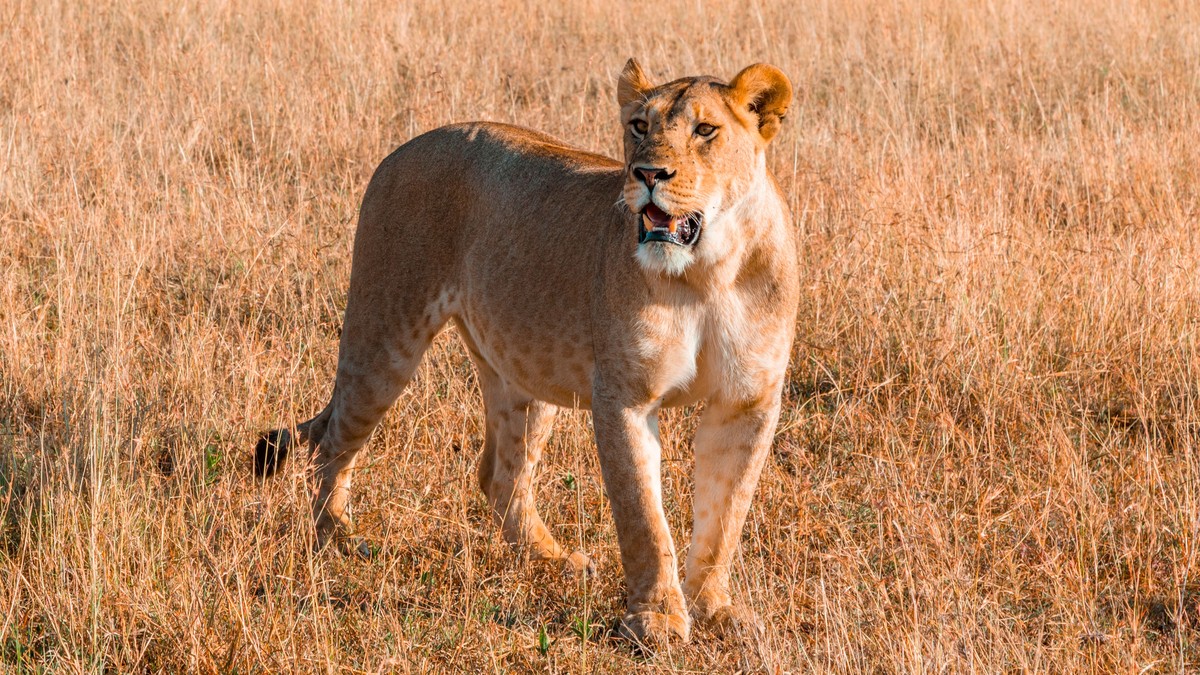
Kenya Wildlife Service (KWS) rules and most reserve codes require guests to stay seated while the vehicle is moving, with no standing through the roof hatch unless the guide says it’s safe to pop up for photos at a stationary sighting. Keep your voice down near animals. A loud laugh can end a hunting attempt that took a lioness twenty minutes to set up.
If your vehicle has rotating window seats, most Valley Safaris guides rotate guests every drive or every day so everyone gets a turn by the window. Ask about this on day one if your group hasn’t discussed it. It avoids the awkward standoff at hour three of a long drive.
Cameras, Phones, and the Geotagging Question
Flash photography disturbs nocturnal animals and is banned on virtually every night drive in Kenya, whether in a conservancy or at a private reserve. Turn your flash off before dusk, not after your first blurry photo.
Phones are fine for casual shots, but keep the volume muted. Ringtones at a cheetah sighting are a fast way to earn a few dozen unhappy looks from other vehicles.
On geotagging: please don’t tag the exact GPS location of rhino, cheetah, or other high-value species on social media. Poachers do monitor public posts. Tag the general area, “Masai Mara” or “Enonkishu Conservancy,” rather than a pinned coordinate. Most lodges will ask you to do the same at check-in.
What to Wear on a Game Drive
Neutral colors matter more than most first-timers expect. Bright colors and white can spook skittish animals and show dirt fast on dusty roads. Khaki, olive, and muted brown work best. Avoid full camouflage too, since it’s restricted for civilians in Kenya and Tanzania.
Mornings in the Mara start around 12 to 15 degrees Celsius and can climb past 28 by midday, so layers matter as much as color. We’ve written a full breakdown of what neutral-toned layers to pack for a game drive if you want specifics on fabric and fit.
Feeding, Littering, and General Conduct
Never feed wildlife, even the seemingly harmless vervet monkeys that hang around camp. It changes their behavior around humans permanently, and it’s against KWS regulations in every national park. Pack out anything you bring in, including cigarette butts and tissue. Most conservancies run on a strict leave-no-trace standard, since tourism revenue depends on keeping these landscapes intact for the next fifty years, not just the next season.
The Don’ts List
A few rules come up on nearly every drive:
- Don’t reach out of the vehicle, even for a “quick” photo.
- Don’t tap or bang on the vehicle to get an animal’s attention.
- Don’t stand through the roof hatch while the vehicle is moving.
- Don’t eat or drink while the vehicle is in motion near wildlife. Crumbs and smells draw animals closer than you want.
- Don’t ask your guide to drive off-track in a national reserve just to get a better angle. In most cases, it’s not allowed, and pushing the point puts their license at risk.
Sightings and Crowding: The Mara’s Vehicle Cap
Here’s a rule most blogs never mention because they’re written for South African private reserves, not Kenya. The Masai Mara National Reserve caps vehicles at any single sighting at five. If a sixth vehicle wants in, reserve guidelines call for a rotation system, typically a 10-minute viewing window per vehicle, so everyone gets a turn without crowding the animal.
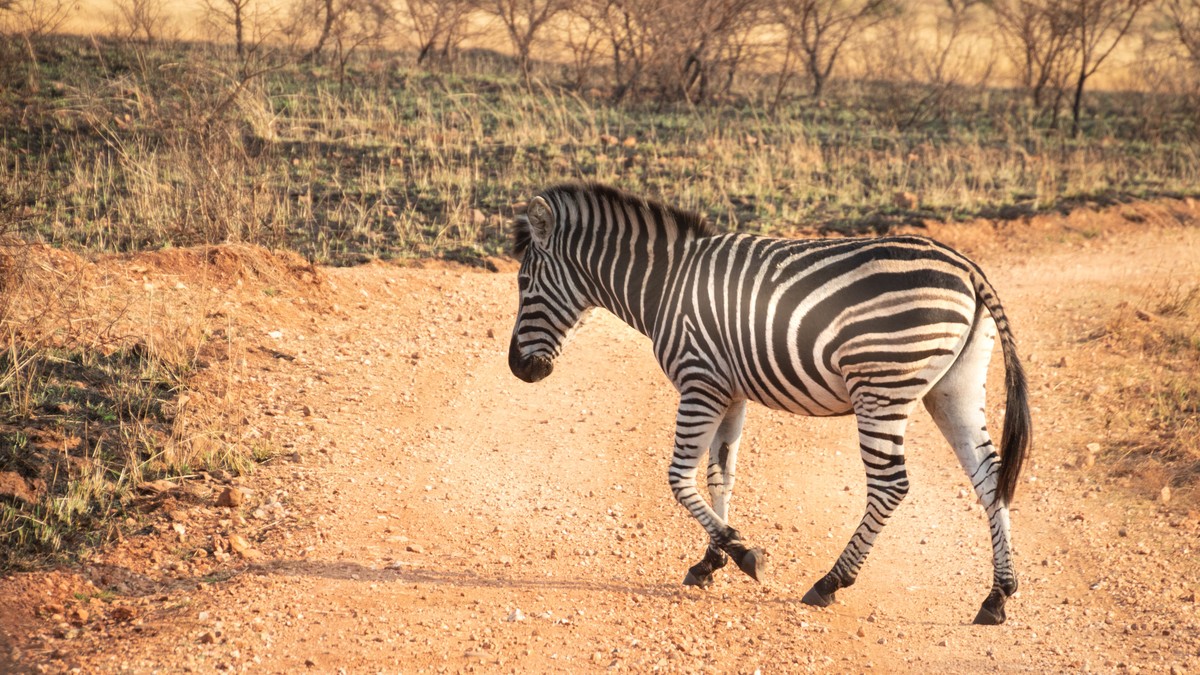
Guides also keep a minimum distance of about 20 meters from wildlife in most circumstances, closer for grazing animals like zebra, further back for a mating pair of lions or a leopard with a fresh kill. Speed inside the Reserve is capped at 40 km/h, partly for safety and partly because dust from a speeding vehicle ruins the sighting for everyone else nearby.
It’s fair to ask your guide to reposition for a better view. It’s not fair to ask them to break the vehicle cap, crowd a sighting, or ignore the distance rule. A guide who says no here is protecting the license that lets them keep working in the Mara.
National Park vs. Conservancy: Why the Rules Change
This is the part first-timers find most confusing, and it’s worth understanding before you book. The Masai Mara National Reserve is managed under strict national and county rules. Private conservancies bordering it, like Mara North, Naboisho, and Olare Motorogi, set their own house rules, usually looser, because they cap total bed numbers and vehicle density from the start.
Here’s how the two compare on the rules that matter most for your drive:
| Rule | Masai Mara National Reserve | Private Conservancies (Mara North, Naboisho, Olare Motorogi) |
|---|---|---|
| Off-road driving | Not permitted, on-track only | Permitted, at guide’s discretion |
| Night game drives | Not permitted | Permitted, usually 7:00 to 9:00 PM |
| Operating hours | 6:00 AM to 6:30 PM | Flexible, often sunrise to well after dark |
| Vehicles per sighting | Capped at 5, 10-minute rotation past that | Usually capped at 3 to 4 by conservancy rule |
| Speed limit | 40 km/h | Similar, set by conservancy management |
| Conservation fee, non-resident adult, per day (indicative) | Around USD 100 | Often bundled into nightly lodge rates of USD 150 to 400 |
Mara management plans have also been moving to tighten rules around private self-drive vehicles inside the Reserve, pushing visitors toward licensed tour vehicles with trained guides. If you’re weighing where to base a trip, our guide to how rules differ between national parks, reserves, and conservancies covers the tradeoffs in more depth, including cost and crowd levels at each.
Tipping Your Guide and Tracker
Tipping isn’t written into any regulation, but it is standard practice. A common guideline is USD 15 to 20 per guest per day for your driver-guide, and USD 10 to 15 per day for a separate tracker if your vehicle has one. Cash in USD or KES both work, and most camps have a general staff tip box too, usually USD 10 to 15 per guest per day, split among kitchen and housekeeping staff. Ask your camp manager if you’re unsure how tips are pooled.
What to Pack
A decent pair of binoculars, 8×42 is a good all-around size, makes a real difference on a game drive. Bring a camera with some zoom reach if wildlife photography matters to you, since 20 meters is farther than it sounds through a phone lens. Add a dust-proof bag for gear, a reusable water bottle, and a light jacket for the cold start before sunrise, even in July.
The Valley Safaris Difference
We brief every guest on these rules before the first drive, not halfway through it. Our guides have grown up around the Mara and its conservancies, so they know which sightings are worth the wait and which crowded ones to skip entirely. When we say we’ll find you a leopard without three other vehicles in the frame, we mean we know the tracks, the terrain, and the radio etiquette that makes that possible.
We also keep our vehicle-to-guest ratio tight and rotate window seats without anyone having to ask. It’s a small thing, but it’s the kind of detail that makes a first safari feel easy instead of overwhelming.
Plan Your Game Drive With Us
If you’re putting together your first Kenya safari and want an itinerary built around good sightings, fair vehicle etiquette, and a guide who explains the why behind every rule, we’d love to help you plan it. Visit our Masai Mara safari tours page to see current itineraries, or head to our contact page to start planning your dates.